
English| EUR
Suggested for you
More currencies
Choose a language
Tamarin River presents manageable risk when paddlers respect its tidal patterns and seasonal flows. The question is not whether river kayaking is dangerous in absolute terms, but whether you understand the specific conditions that govern this estuary and the practical steps that mitigate hazard.
Quick answer
River kayaking on Tamarin River carries moderate risk tied to tidal currents, submerged rocks, and variable water flow. Most incidents result from poor timing rather than inherent danger—paddling during the recommended 07:00–10:00 window when currents are calmer significantly reduces exposure. Guided excursions operate daily from 07:00–18:00with safety briefings and equipment checks as standard protocol.
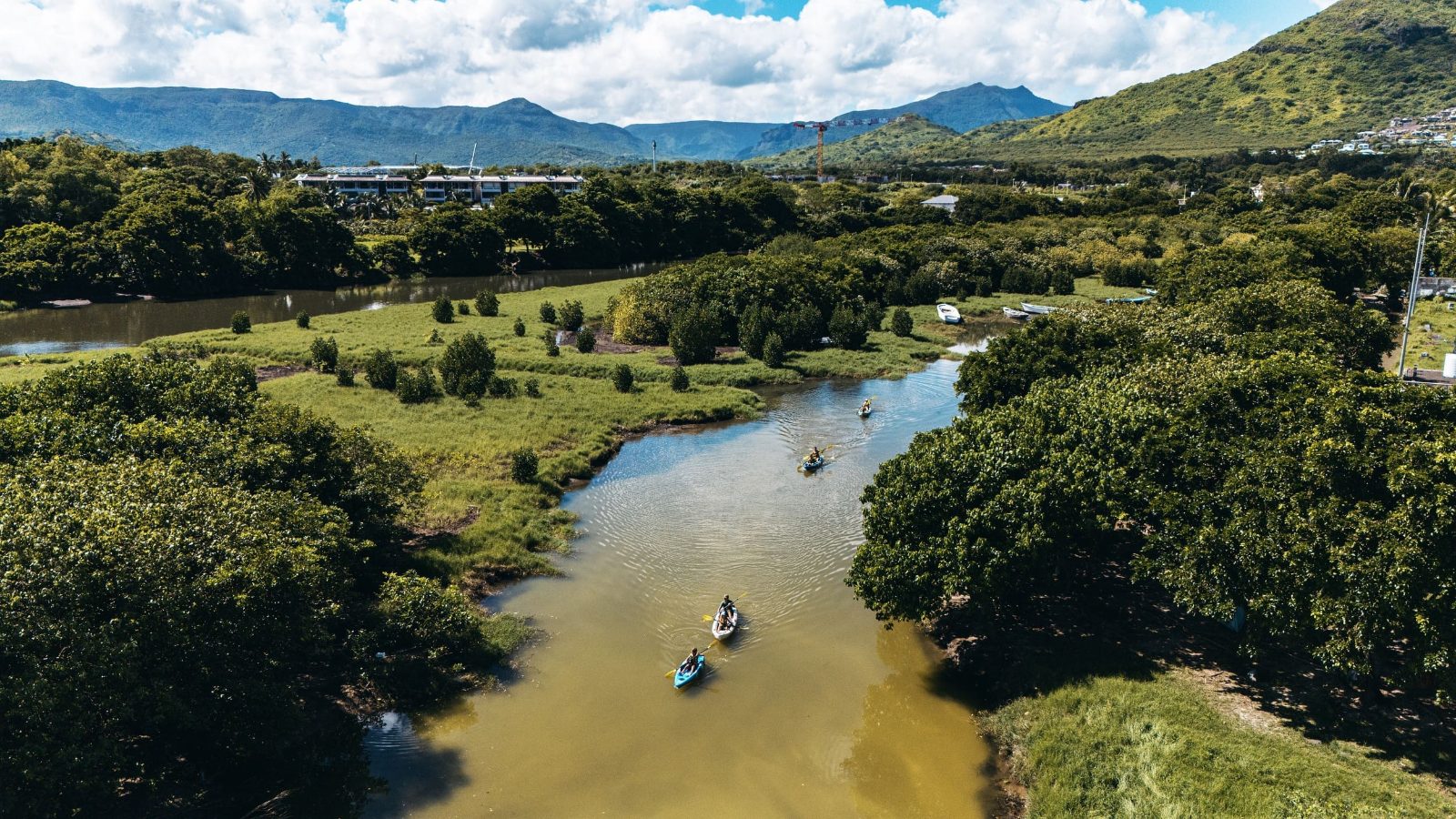
The Tamarin River estuary experiences tidal flux that can shift a calm channel into a fast-moving obstacle course within two hours. Water levels fluctuate by up to 1.5 meters between high and low tide, exposing basalt shelves and creating standing waves near the river mouth where freshwater meets the Indian Ocean. Kayaking safety on this stretch depends on reading three variables: tide timing, swell height at the bay entrance, and recent rainfall in the Black River Gorges catchment upstream. A storm 15 kilometers inland can double flow rates within hours, turning shallow riffles into Class II rapids unsuitable for beginners. The riverbed consists of volcanic rock with irregular edges—capsizing in low water means contact with sharp surfaces rather than soft sand. Most paddlers enter near the public launch zone at Tamarin Bay, where the river widens and depth averages 1.2 meters at mid-tide. The first kilometer upstream passes through mangrove corridors with minimal current, then narrows into a rock garden section where navigation requires active steering. Tour operators schedule departures to coincide with incoming tide, using the push of seawater to assist the upstream leg and riding the ebb back to the bay. This tidal assist reduces fatigue and keeps groups together, which matters when a capsize occurs—the second paddler provides immediate stability and prevents downstream drift. Risk escalates when solo kayakers misjudge the turn window and attempt to return against an outgoing tide. Fighting a 3-knot ebb in a recreational kayak exhausts arm strength in under 20 minutes, and the river mouth funnels paddlers toward the surf zone where waves break over shallow reef. Wearing a properly fitted life jacket and carrying a whistle are not suggestions—they are the baseline that separates inconvenience from emergency when conditions shift.
“The riverbed consists of volcanic rock with irregular edges—capsizing in low water means contact with sharp surfaces rather than soft sand.”
River kayaking on the Tamarin is accessible for beginners, but preventable errors turn manageable conditions into risky situations. These misjudgments account for most incidents on the water.
Paddling during high tide without checking conditions
The river's current strengthens significantly at high tide, overwhelming novice paddlers. Check tide tables before departure and plan your route for calmer low-to-mid tide windows.
Wearing cotton clothing instead of quick-dry fabrics
Cotton retains water and causes rapid heat loss if you capsize, increasing hypothermia risk even in warm climates. Wear synthetic or moisture-wicking layers that dry quickly and retain insulating properties when wet.
Skipping the safety briefing to save time
Guides cover river-specific hazards like submerged rocks, current patterns, and capsize procedures tailored to Tamarin's conditions. These 10 minutes provide knowledge that prevents injury and equipment loss.
Gripping the paddle too tightly throughout the trip
A rigid grip causes arm fatigue within 20 minutes, reducing your ability to react to obstacles or navigate stronger currents. Hold the paddle with relaxed hands, tightening only during active strokes.
Ignoring weather changes once on the water
Afternoon wind and rain increase wave height and reduce visibility on the river, especially near the bay confluence. If conditions deteriorate, paddle to the nearest bank and wait rather than pushing through.
Assuming all sections have the same difficulty
The lower river near Tamarin Bay experiences tidal influence and choppier water, while upstream sections remain calmer. Discuss your skill level with operators so they can match you to appropriate stretches.
The safest window for kayaking the Tamarin River is between 07:00 and 10:00. Arriving during this period ensures calmer water conditions and avoids the intensity of the midday heat.
Lower temperatures and calm surface conditions.
This window provides the most stable environment for navigation and visibility.
High humidity and temperatures often exceeding 30°C.
Stronger sun exposure necessitates early starts to mitigate heat exhaustion risks.
Milder temperatures ranging from 20°C to 25°C.
Cooler air makes this period comfortable for longer sessions on the river.
—
Mid-week slots offer the most predictable water conditions for those seeking fewer obstacles.
Verdict: The best time to kayak is between 07:00 and 10:00, particularly during the shoulder months of May or October when temperatures are moderate.
Tamarin River kayaking requires adherence to specific safety protocols that protect both paddlers and the estuarine ecosystem. Following these guidelines reduces risk and preserves the waterway for future visitors.
Complete these checks before you launch to reduce the risk of incidents on the water.
The Tamarin River kayaking area remains open daily to ensure visitors have access to regulated environment monitoring and support services.
Access to the public area of the Tamarin River is free of charge. Costs for kayaking depend exclusively on the professional excursion services you choose to engage.
Verdict: You pay 0 MUR to access the area, while the cost of a kayak excursion varies based on the private operator and package inclusions.
Everything you need to know about is river kayaking dangerous
When practiced with reputable guides and proper equipment, river kayaking in Tamarin is generally considered safe. Understanding that is river kayaking dangerous depends heavily on your experience level and adherence to local safety instructions provided by your excursion operator.
The river features varying currents and tidal influences that can impact navigation for inexperienced paddlers. Because is river kayaking dangerous in areas with stronger flows, we recommend staying within the zones specified by your instructor.
Kayaking with children can be a rewarding activity when life jackets are worn at all times and the group stays together. Parents should evaluate their child's comfort level in the water to determine if is river kayaking dangerous for their family dynamic.
The most effective way to minimize hazards is to book with professional guides who monitor water levels and equipment quality. Staying within marked areas and following instructor guidance significantly reduces the likelihood of incidents.
Safety regulations require all participants to wear flotation devices and follow the designated river path. Operators enforce these rules to ensure the environment remains protected and your experience remains incident-free.
Yes, conditions are calmer during the early morning hours, which helps reduce environmental risks. Checking local weather forecasts before your departure is essential to ensure that is river kayaking dangerous conditions like strong winds or heavy rain are avoided.